
“Allah has 99 Names — whoever comprehends them will enter Paradise.” Discover the significance of Al Asma ul Husna, understand the divine attributes behind each name, and learn how to call upon your Lord with the names He loves most.
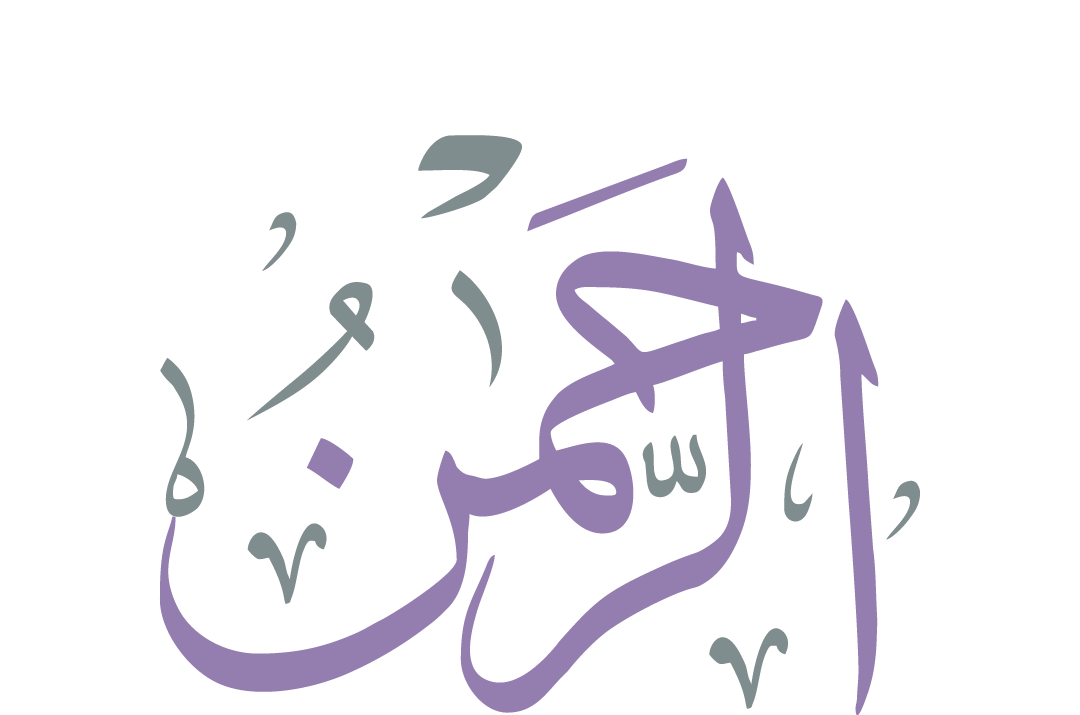
Ar-Rahman
The All-Compassionate
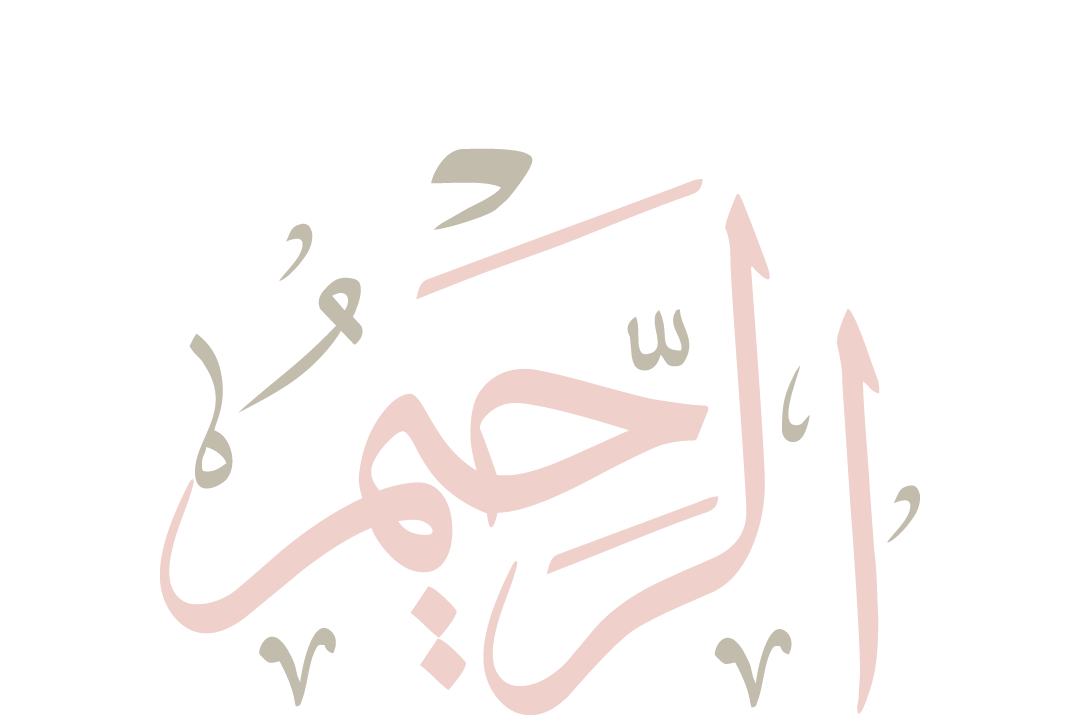
Ar-Raheem
The All-Merciful
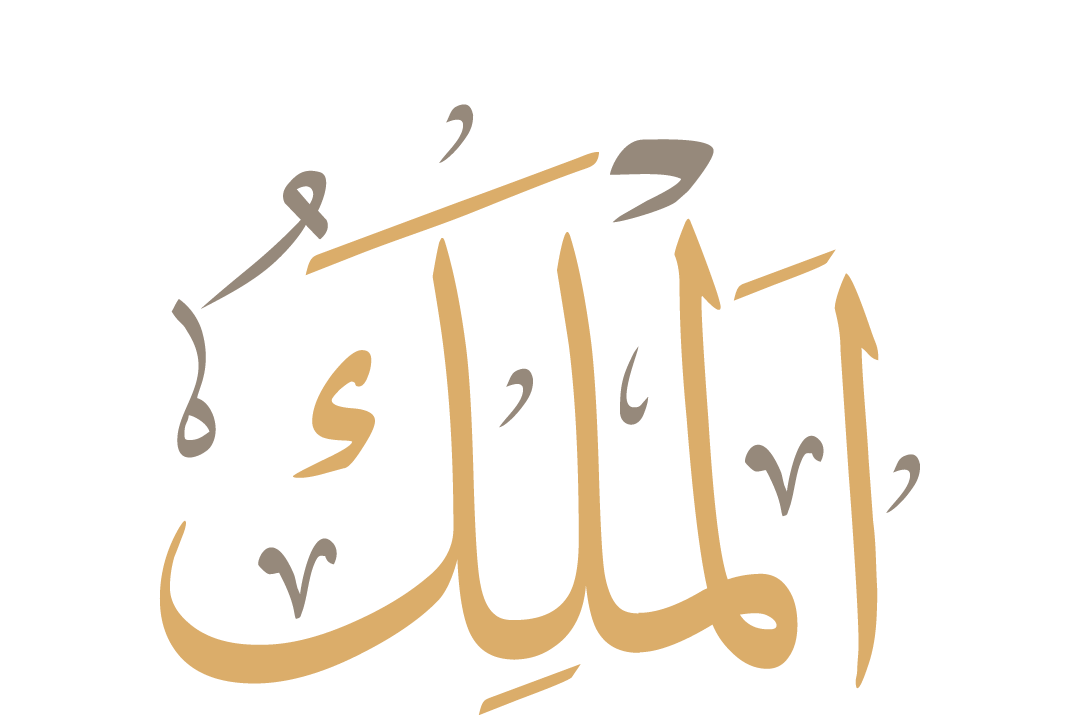
Al-Malik
The Absolute Ruler
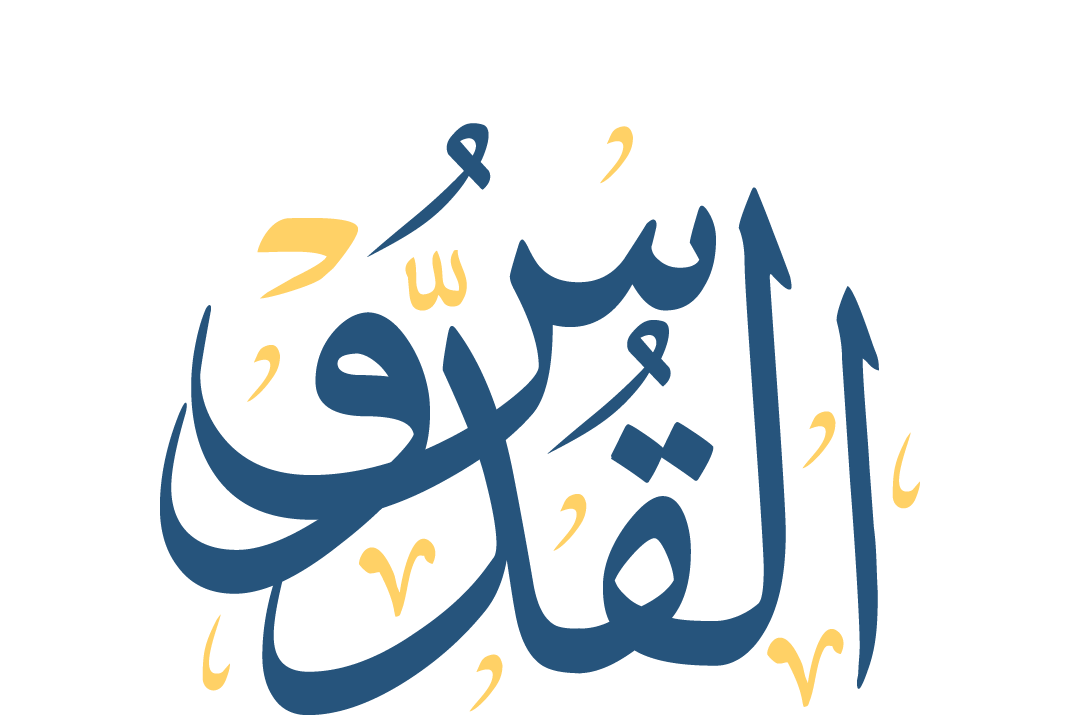
Al-Quddus
The Pure One
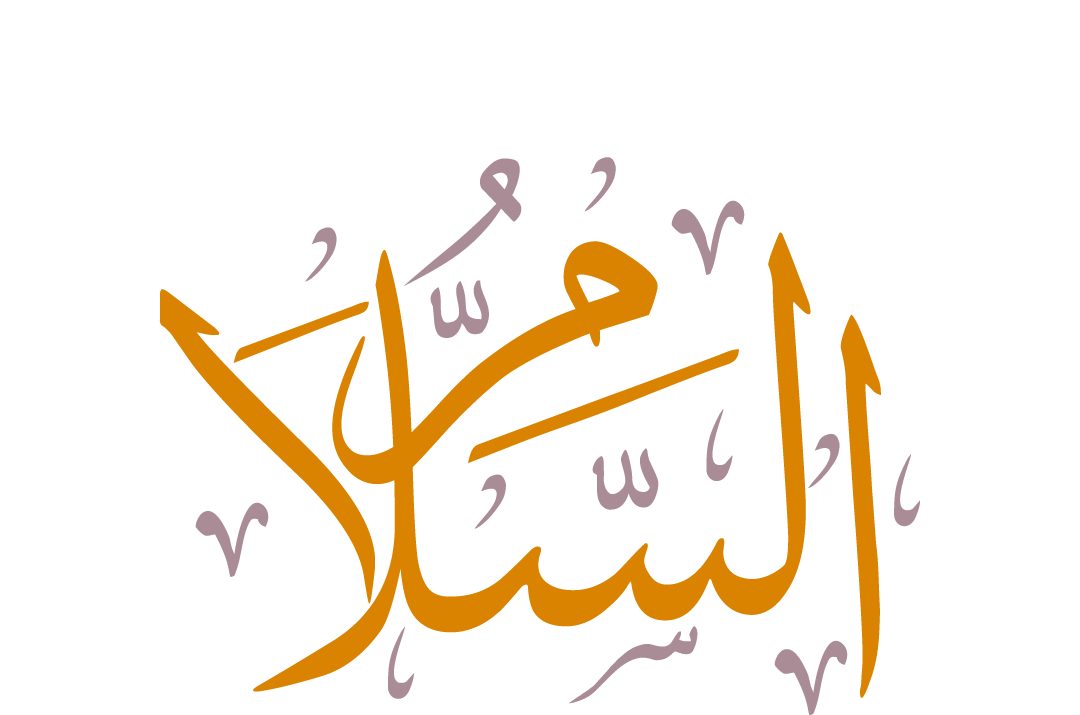
As-Salam
The Source of Peace
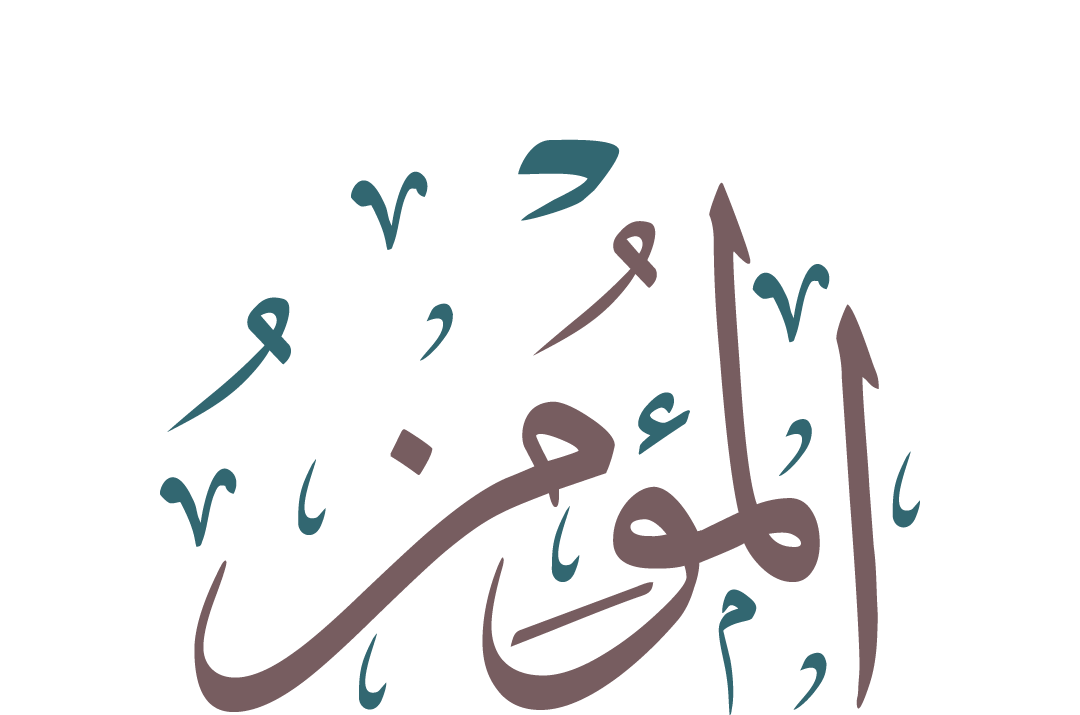
Al-Mumin
The Inspirer of Faith
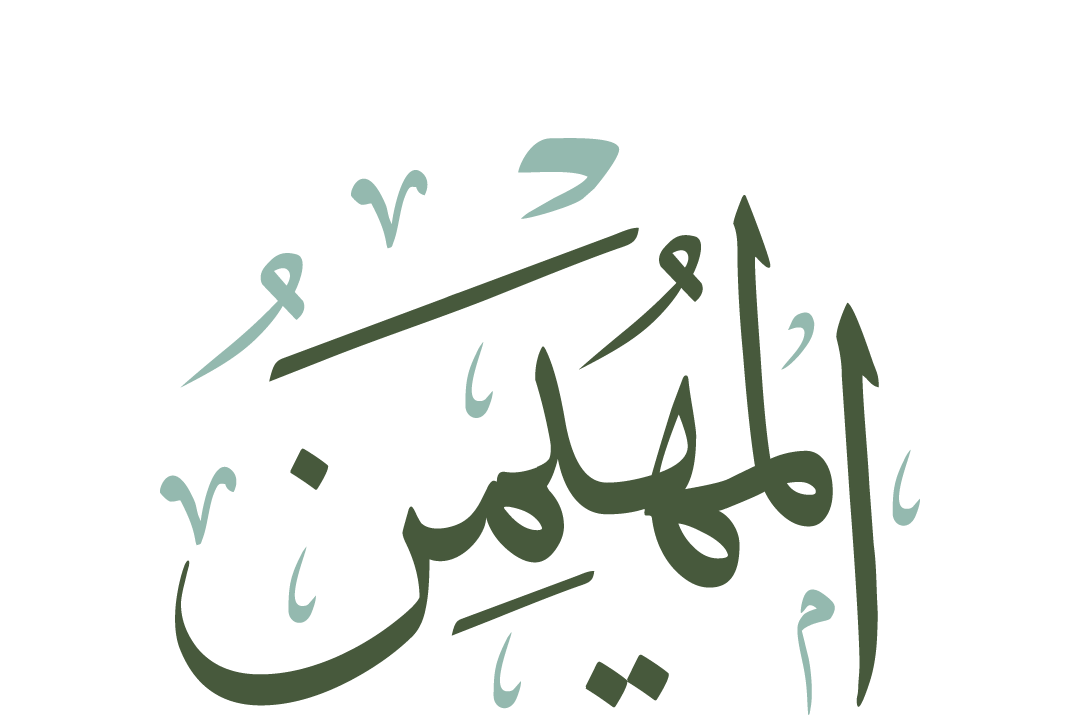
Al-Muhaymin
The Guardian
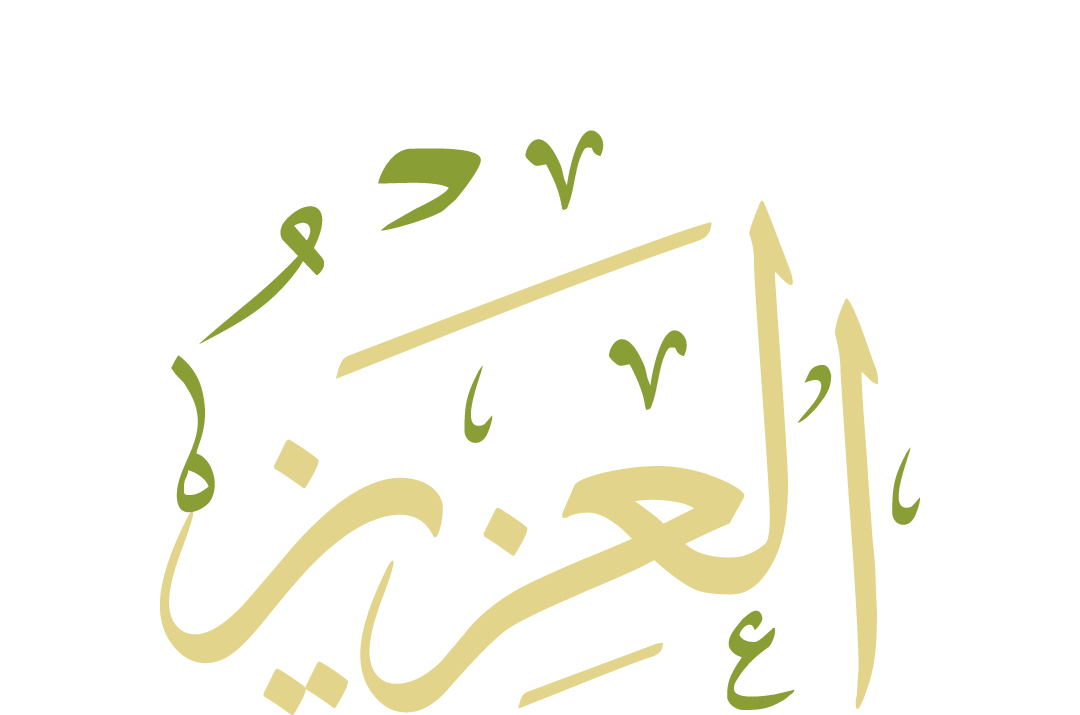
Al-Aziz
The Victorious
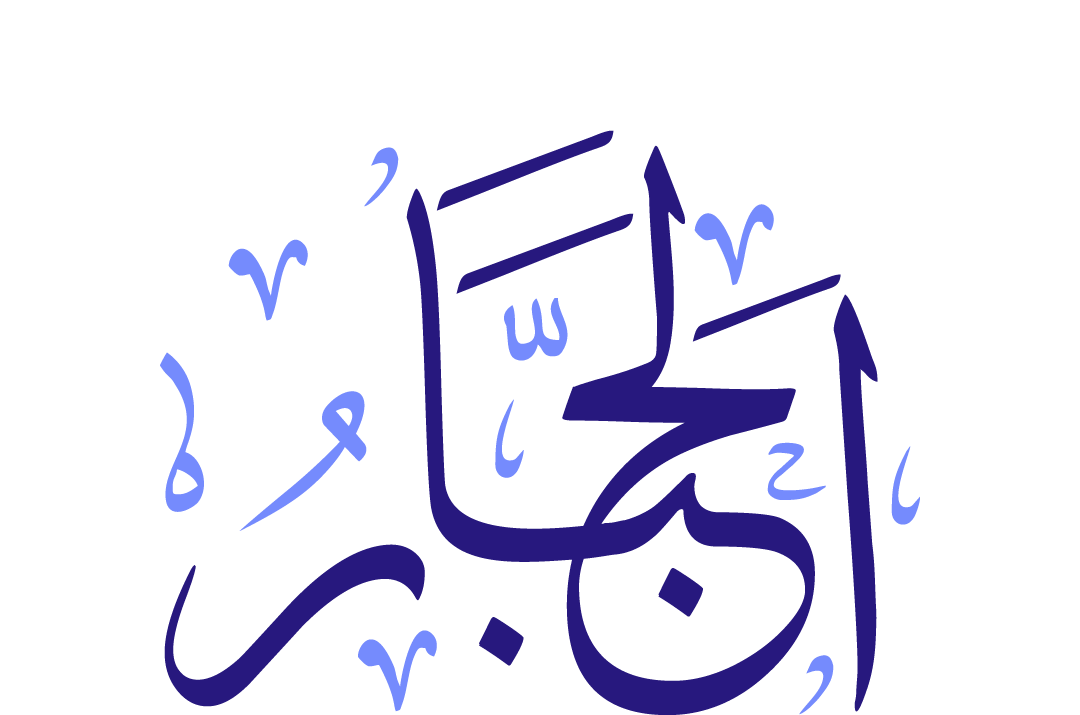
Al-Jabbar
The Compeller
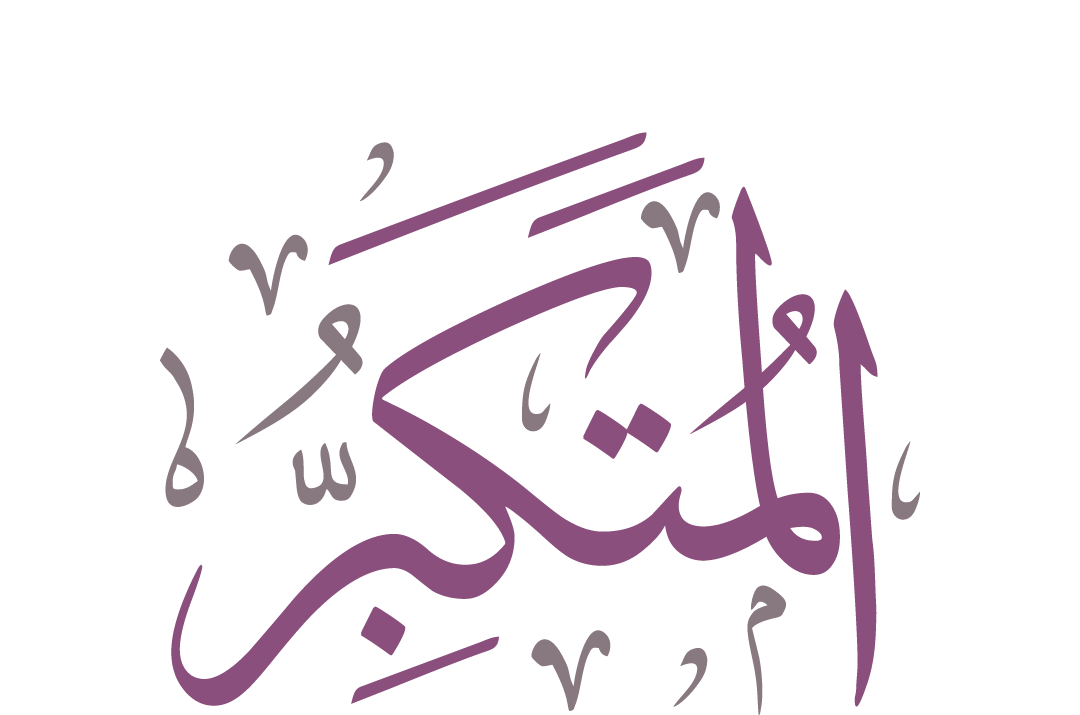
Al-Mutakabbir
The Greatest

The 99 Names of Allah (Asma ul Husna): Meaning, Benefits and Significance in Islam
The 99 Names of Allah — known in Arabic as Al Asma ul Husna (الأسماء الحسنى), meaning “The Most Beautiful Names” — are the divine attributes through which Muslims know, worship, and connect with their Creator. Each of the 99 Names of Allah reveals a dimension of His perfection: His mercy, His power, His knowledge, His justice, His forgiveness, and His absolute sovereignty over all creation. The Quran commands the believer to invoke Allah by these names: “And to Allah belong the most beautiful names, so invoke Him by them” (7:180) — making the knowledge and understanding of the 99 Names of Allah not merely an academic exercise but a deeply personal act of worship.
The Prophet Muhammad (pbuh) said: “Allah has ninety-nine names — one hundred minus one — and whoever comprehends them all will enter Paradise” (Sahih Al-Bukhari 2736). The word used by the Prophet (pbuh) is ahsaha, which scholars have interpreted to mean not just memorising the names but understanding their meanings, believing in them, acting upon them, and calling upon Allah by them in supplication. To truly “comprehend” the 99 Names of Allah is to transform one’s entire relationship with the Creator — from distant knowledge to intimate awareness.
وَلِلَّهِ ٱلْأَسْمَآءُ ٱلْحُسْنَىٰ فَٱدْعُوهُ بِهَا
“And to Allah belong the most beautiful names, so invoke Him by them.”
What Are the 99 Names of Allah?
The 99 Names of Allah are the divine attributes mentioned throughout the Holy Quran and the authentic Sunnah of the Prophet Muhammad (pbuh). They are not simply labels — each name is a living description of who Allah is and how He relates to His creation. Ar-Rahman (The Most Gracious) and Ar-Raheem (The Most Merciful) speak to the vastness of His mercy. Al-Khaliq (The Creator), Al-Bari (The Evolver), and Al-Musawwir (The Fashioner) reveal the stages of His creative power. Al-Ghafur (The All-Forgiving), At-Tawwab (The Accepting of Repentance), and Al-Afuw (The Pardoner) assure the sinner that no door of return is ever closed.

The concept of Al Asma ul Husna appears in several places in the Quran. Surah Al-A’raf commands: “And to Allah belong the most beautiful names, so invoke Him by them” (7:180). Surah Al-Isra declares: “Say: Call upon Allah or call upon the Most Merciful. Whichever name you call — to Him belong the best names” (17:110). Surah Taha affirms: “Allah — there is no deity except Him. To Him belong the best names” (20:8). And the closing verses of Surah Al-Hashr (59:22–24) present the most majestic cascade of divine names in the entire Quran — a passage the Prophet (pbuh) said would bring the blessings of seventy thousand angels for whoever recites it each morning (At-Tirmidhi 2922).
Allah has ninety-nine names — one hundred minus one — and whoever comprehends them all will enter Paradise.
The Categories of the 99 Names of Allah
Scholars have organised the 99 Names of Allah into broad categories based on the attributes they describe. While Allah’s names are infinite and cannot be fully contained by any classification, understanding these categories helps the believer approach the names with greater depth and purpose.
Names of Mercy and Compassion
At the heart of the 99 Names of Allah are the attributes of mercy. Ar-Rahman (The Most Gracious) describes Allah’s mercy that encompasses all of creation without exception — believers and disbelievers, humans and animals, the seen and the unseen. Ar-Raheem (The Most Merciful) describes His special mercy reserved for the believers in the Hereafter. These two names open every surah of the Quran except At-Tawbah, and they open every act a Muslim performs through the Bismillah. Alongside them stand Al-Ghafur (The All-Forgiving), Al-Wadud (The Most Loving), Al-Latif (The Subtly Kind), and Ar-Ra’uf (The Most Compassionate) — each illuminating a different shade of divine tenderness.
Names of Power and Sovereignty
The 99 Names of Allah also reveal His absolute authority over all things. Al-Malik (The Sovereign), Al-Aziz (The Almighty), Al-Jabbar (The Compeller), and Al-Mutakabbir (The Supreme) describe a Lord before whom all of creation stands in awe. Al-Qawiyy (The All-Strong), Al-Qadir (The All-Powerful), and Al-Muqtadir (The Determiner) affirm that nothing in the heavens or earth can resist His will. These names inspire both reverence and trust — a Lord powerful enough to control the universe is powerful enough to answer the prayer of a single servant.

Names of Knowledge and Wisdom
Allah’s knowledge is absolute, encompassing everything that was, is, and will be. Al-Alim (The All-Knowing) knows every leaf that falls and every thought that crosses the heart. Al-Khabir (The All-Aware) is conscious of every secret and every subtlety. Al-Hakim (The Most Wise) ensures that every decree, every test, and every blessing is placed with perfect wisdom. As-Sami (The All-Hearing) and Al-Basir (The All-Seeing) are the names that remind the believer they are never alone — Allah hears every whisper and sees every tear, even when no one else does.
Names of Creation and Provision
Among the most awe-inspiring of the 99 Names of Allah are those that describe His creative power. Al-Khaliq (The Creator) brings existence from nothing. Al-Bari (The Evolver) designs and differentiates. Al-Musawwir (The Fashioner) shapes every creation with individuality and beauty. These three names appear together in the closing verses of Surah Al-Hashr (59:24), describing the stages of divine creation in a single, breathtaking verse. Ar-Razzaq (The Provider) ensures that every creature receives its sustenance, and Al-Wahhab (The Bestower) gives without measure and without being asked.
Names of Justice and Accountability
The 99 Names of Allah balance mercy with justice. Al-Adl (The Just) never wrongs a soul by even an atom’s weight (4:40). Al-Haseeb (The Reckoner) will hold every person accountable for their deeds. Al-Hakam (The Judge) settles every dispute with perfect fairness. And Al-Muqsit (The Equitable) ensures that on the Day of Judgement, the scales are set in absolute truth. These names remind the believer that while Allah’s mercy is vast, His justice is equally certain — and that the best response to both is to live with sincerity, gratitude, and consciousness of Allah.
He is Allah, the Creator, the Evolver, the Fashioner. To Him belong the most beautiful names.
The Benefits of Learning the 99 Names of Allah
The most direct benefit is the one the Prophet (pbuh) himself promised: “Whoever comprehends them all will enter Paradise” (Sahih Al-Bukhari 2736). But the benefits extend far beyond the afterlife into the daily spiritual life of every Muslim. Learning the 99 Names of Allah transforms your du’a (supplication) — when you know that Allah is Ash-Shafi (The Healer), you call upon Him by that name when you are ill. When you know He is Ar-Razzaq (The Provider), you turn to Him by that name when you face financial hardship. When you know He is Al-Fattah (The Opener), you invoke Him when every door seems closed. The 99 Names of Allah give specificity and depth to your relationship with your Creator — transforming generic prayers into targeted, personal conversations with the One who possesses every attribute you need.

Knowing the names also deepens your understanding of the Quran itself. When you encounter Al-Hayy (The Ever-Living) and Al-Qayyum (The Self-Sustaining) in Ayat al-Kursi (2:255), you recognise them as two of the names the Prophet (pbuh) identified as part of Allah’s Greatest Name — the name by which if He is called upon, He responds (Abu Dawud, Ibn Majah). When you read the closing of Surah Al-Hashr, the cascade of names — Al-Malik, Al-Quddus, As-Salam, Al-Mu’min, Al-Muhaymin — comes alive with meaning that transforms recitation into contemplation.
How to Use the 99 Names of Allah in Du’a and Daily Life
The Quran’s command is clear: “Invoke Him by them” (7:180). The practical application of the 99 Names of Allah is to call upon Allah by the name that corresponds to your need. Seeking forgiveness? Call upon Al-Ghafur (The All-Forgiving) and At-Tawwab (The Accepter of Repentance). Facing injustice? Call upon Al-Adl (The Just) and Al-Hakam (The Judge). Feeling lost or confused? Call upon Al-Hadi (The Guide) and An-Nur (The Light). Anxious about provision? Call upon Ar-Razzaq (The Provider) and Al-Karim (The Most Generous).
Beyond du’a, the 99 Names of Allah also serve as a moral compass. When you learn that Allah is As-Sabur (The Most Patient), it inspires you to cultivate patience in your own life. When you reflect on Al-Wadud (The Most Loving), it calls you to show love and compassion to others. When you contemplate Al-Adl (The Just), it demands that you stand for justice even when it is difficult. The Prophet (pbuh) taught that whoever comprehends the 99 Names of Allah enters Paradise — because truly comprehending them transforms the person into someone who reflects their Creator’s attributes in their own conduct.
Say: Call upon Allah or call upon the Most Merciful. Whichever name you call — to Him belong the best names.
The 99 Names of Allah in the Holy Quran
The 99 Names of Allah appear throughout the Quran, woven into its verses as reminders of who the believer is addressing when they pray, recite, or reflect. Some of the most powerful passages in the Quran are built entirely around the divine names. Ayat al-Kursi (2:255) — the greatest single verse in the Quran — is a concentrated declaration of Allah’s attributes: Al-Hayy (The Ever-Living), Al-Qayyum (The Self-Sustaining), Al-Alim (The All-Knowing), and Al-Ali (The Most High). The closing verses of Surah Al-Hashr (59:22–24) list over a dozen names in three breathtaking verses. And the opening of Surah Al-Fatihah itself begins with two of Allah’s names — Ar-Rahman and Ar-Raheem — establishing mercy as the lens through which the entire Quran is read.

Many Quranic surahs close with pairs of divine names that summarise the surah’s message. Surah Al-Baqarah‘s legislative verses often end with “And Allah is All-Knowing, Most Wise” — reminding the believer that every law comes from perfect knowledge and perfect wisdom. Surah Ghafir opens with four names in a single verse: “The Forgiver of sin, Accepter of repentance, Severe in punishment, Owner of abundance” (40:3) — capturing the complete divine nature in a single breath. Learning the 99 Names of Allah is therefore also learning to read the Quran at a deeper level — recognising the divine signatures embedded in every page.
Memorising and Reflecting on the 99 Names of Allah
The tradition of memorising the 99 Names of Allah is one of the most rewarding devotional practices in Islam. Many Muslims learn them as children, reciting them in sequence as an act of dhikr (remembrance of Allah). But memorisation is only the first step. The scholars emphasise that true comprehension — the kind the Prophet (pbuh) connected to entering Paradise — involves three levels. The first is knowledge: learning each name’s meaning, its Arabic root, and how it appears in the Quran. The second is belief: accepting with certainty that each attribute belongs to Allah in a way that befits His majesty. The third is practice: living in a way that reflects these names — showing mercy because Allah is Ar-Raheem, being just because Allah is Al-Adl, being generous because Allah is Al-Karim.

Each of the 99 Names of Allah on this page links to a dedicated article exploring that name in depth — its Arabic calligraphy, linguistic root, Quranic context, relevant hadith, and practical application in the believer’s daily life. Whether you are beginning your journey with the names or deepening an existing practice, these pages are designed to help you move from memorisation to genuine comprehension — the comprehension that the Prophet (pbuh) said opens the doors of Paradise.
Allah — there is no deity except Him. To Him belong the best names.
Explore All 99 Names of Allah
Browse all 99 Names of Allah above, each presented with stunning Arabic calligraphy, transliteration, and English meaning. Select any name to read its full article — including its Quranic references, hadith, and the practical ways it transforms a Muslim’s worship and daily conduct. From Ar-Rahman (The Most Gracious) to As-Sabur (The Most Patient), each name opens a door to knowing your Creator more deeply — and there is no knowledge more transformative than the knowledge of the One who made you. The Names are regularly posted on our social medias: Instagram, Facebook, YouTube, TikTok.
What are the 99 Names of Allah?
The 99 Names of Allah (Asma ul Husna) are the divine attributes through which Muslims know and worship Allah. Each name describes a dimension of His perfection — His mercy (Ar-Rahman, Ar-Raheem), His power (Al-Aziz, Al-Jabbar), His knowledge (Al-Alim, Al-Khabir), and His creative authority (Al-Khaliq, Al-Musawwir). They appear throughout the Holy Quran and authentic hadith.
What is the reward for memorising the 99 Names of Allah?
The Prophet Muhammad (pbuh) said: ‘Allah has ninety-nine names — one hundred minus one — and whoever comprehends them all will enter Paradise’ (Sahih Al-Bukhari 2736). Scholars explain that ‘comprehending’ means not just memorising the names but understanding their meanings, believing in them sincerely, and calling upon Allah by them in supplication.
What does Asma ul Husna mean?
Asma ul Husna (الأسماء الحسنى) is Arabic for ‘The Most Beautiful Names.’ It is the Quranic term for Allah’s divine names and attributes. The Quran uses this phrase in several verses, including 7:180, 17:110, 20:8, and 59:24, commanding believers to invoke Allah by these beautiful names.
Where are the 99 Names of Allah mentioned in the Quran?
The concept of Asma ul Husna appears in Surah Al-A’raf (7:180), Al-Isra (17:110), Taha (20:8), and Al-Hashr (59:22-24). Individual names appear throughout the Quran — Ar-Rahman and Ar-Raheem open every surah in the Bismillah, Al-Hayy and Al-Qayyum appear in Ayat al-Kursi (2:255), and over a dozen names cascade through the closing verses of Surah Al-Hashr.
How should I use the 99 Names of Allah in du’a?
The Quran commands: ‘Invoke Him by them’ (7:180). The practice is to call upon Allah by the name that corresponds to your need. When seeking forgiveness, invoke Al-Ghafur (The Forgiving). When seeking provision, call upon Ar-Razzaq (The Provider). When seeking guidance, invoke Al-Hadi (The Guide). This gives your supplication specificity and demonstrates your knowledge of who you are calling upon.
What is Allah’s Greatest Name (Ism Allah Al-A’zam)?
The Prophet (pbuh) said that Allah’s Greatest Name — by which if He is called upon, He responds — is found in Surah Al-Baqarah, Ali ‘Imran, and Taha (Abu Dawud, Ibn Majah). Many scholars identify it as Al-Hayy Al-Qayyum (The Ever-Living, The Self-Sustaining), which appears in Ayat al-Kursi (2:255) and the opening of Ali ‘Imran (3:2). Others suggest it may be the name ‘Allah’ itself.